
LACSEF Regional Science Fair — Notes from the Physics Judging Track
LACSEF区域赛的评审工作小结
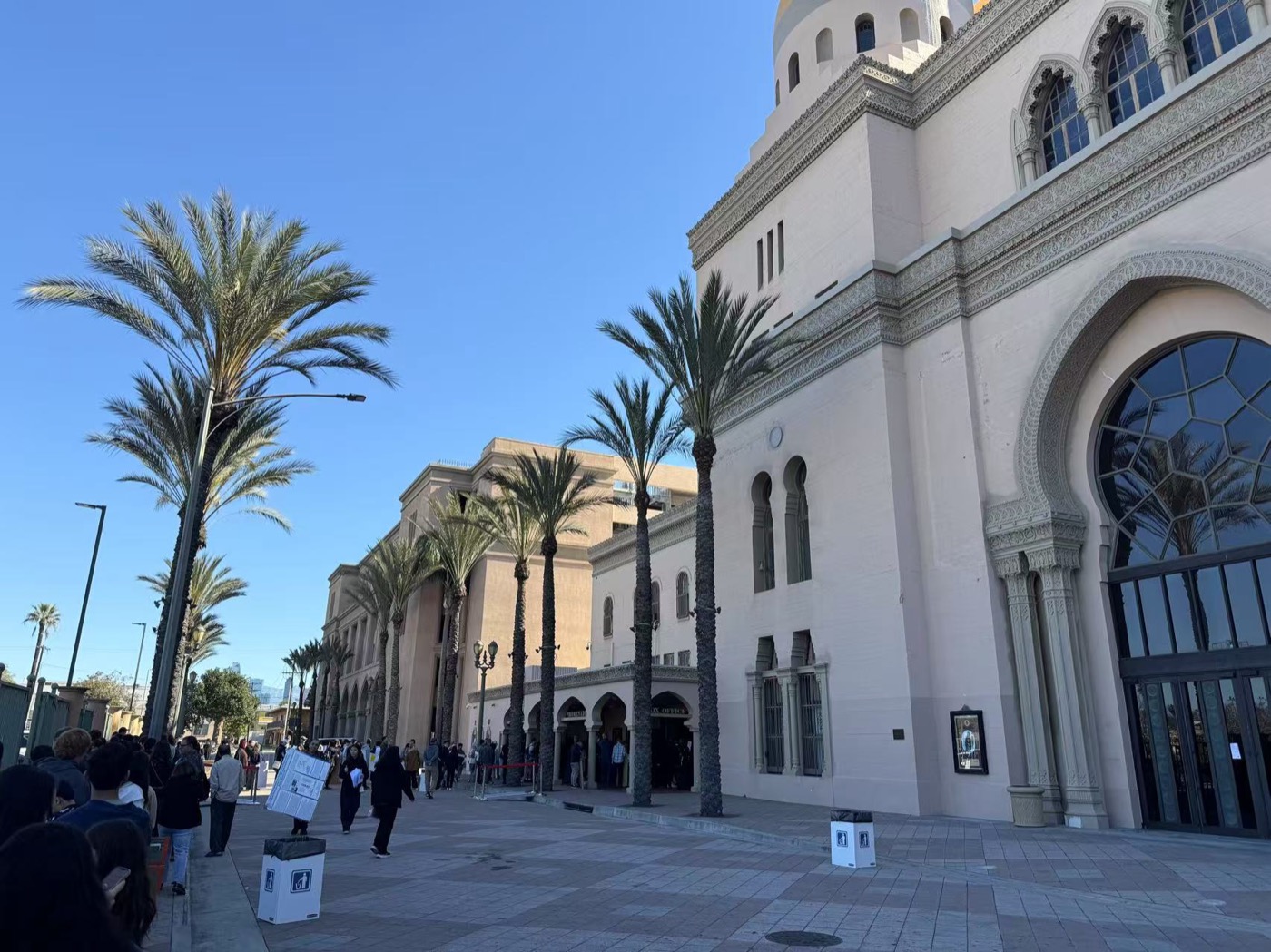
I was in LA anyway — working on a partnership with an American high school and helping design their internal STEM research programme — when a friend invited me to serve as a judge at LACSEF, the Los Angeles regional qualifier for ISEF. I said yes. What followed was essentially being press-ganged into labour, because the physics track was badly short-staffed.
Three judges for 18 senior-division physics projects. We had been four, but one judge was reassigned to the junior division at the last moment. Under LA's rules, every student project must receive interviews from at least three judges — which meant the three of us covered every single entry.
My two fellow judges made for good company. One was a PhD from MIT whose son attends Cornell; he spent much of our introductions extolling Cornell's food, campus beauty, and ice-cream waterfall while gently disparaging MIT on all three counts — high social intelligence. The other was a professor from USC working in computational physics.
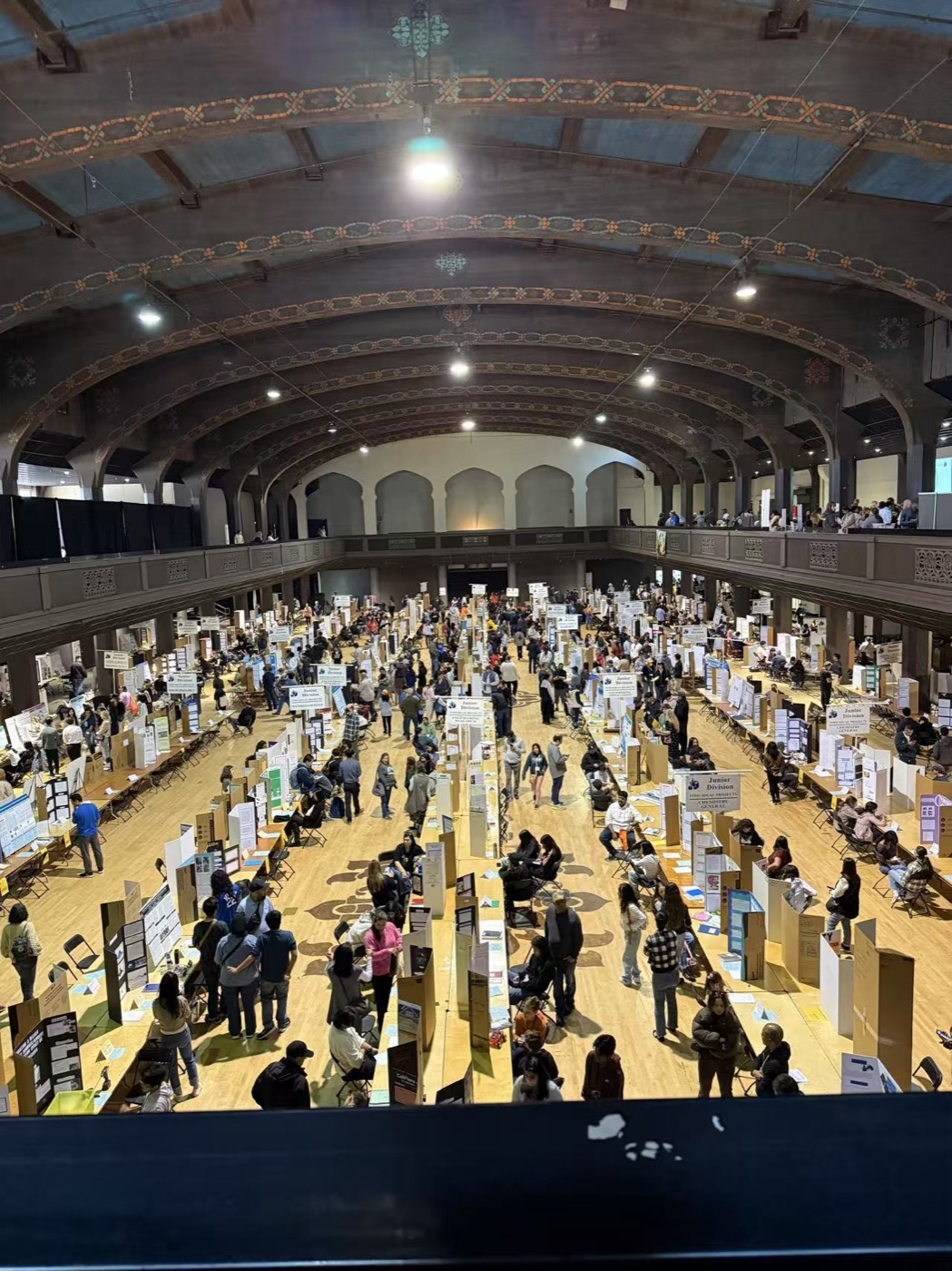
The venue was modest and the lighting dim — no one seemed to mind. We ran from 9 a.m. to 2 p.m. without incident.
A taxonomy of the entries
The senior-division projects fell into roughly four categories:
- Category 1 — Lost: "I have no idea why I'm here, and I'd like to leave immediately."
- Category 2 — Present but adrift: "I know why I'm here, but I genuinely don't know why my project qualifies — or I think I've entered a science-fiction competition."
- Category 3 — Impressive surface, hollow core: "I know why I'm here, and the project looks polished — but there is no underlying scientific rigour, no sustained original effort, no genuine originality."
- Category 4 — The real thing: "I know exactly why I'm here, and I know precisely how strong my work is."
The allocated time was 10–15 minutes per project. Most did not need it. The quality signal was usually clear within the first exchange. Several students were visibly pleading for us to stop asking questions and move on.
Deliberation and the tied scorecard
The final judging was straightforward: two projects met Category 4. We agreed unanimously on first and second prize. The difficulty was deciding which was which — after scoring, the totals were exactly equal.
While we worked through the lower placements, I discovered that my two colleagues were far less restrained than I was. Their commentary on the Category 1–3 projects was unsparing. I've never sat in a judging room quite like it. After a brief period of diplomatic restraint I joined in. By the end I had concluded that everyone who studies physics in this part of LA was raised on The Big Bang Theory.
To break the tie at the top, I mentioned that one of the two projects was under review at Physical Review Letters and currently in peer review. That gave everyone pause. On reflection — the project had been mentored by a UCI professor, so the submission was entirely credible — we awarded it first place. The other, from one of LA's traditionally research-strong schools, took second. Honestly, I consider them equally strong.
What I took away about the US regional ecosystem
Advancing to the state fair from here is genuinely not difficult. For a region as large as greater Los Angeles, LACSEF runs in a surprisingly informal way. My impression is that most US regional fairs outside a handful of well-known circuits are roughly similar.
That said, the physics track at LACSEF is at least fair. I've heard accounts from other regions of parents registering as judges in groups to manipulate outcomes. Had that happened in the LA physics room, I suspect the commentary from my two colleagues would have been legendarily cutting. More to the point: whether a student actually understands their project, what work they genuinely did, what is original and what is not — these things are obvious to experienced judges within a few minutes. The near-perfect scoring agreement at the top is its own evidence.
There were also entries that had clearly been produced by paid research tutoring services in China, handed to students as competition submissions. The three-word verdict from the panel: not a research project. I won't name anyone — there's prior professional overlap — but if I keep seeing this pattern, that restraint may not hold indefinitely.
A final note. Several parents, after their children were not selected, have been telling anyone who will listen that the judges "didn't understand" the project, that the supervising teacher had an impressive background, that a great deal of the teacher's time went into the work. Stop. Everyone in the room can see exactly where a project came from and how much a student genuinely knows. The judging scores don't lie.